Watching the sunrise from Teide is, for many, the most striking experience in the whole of the Canary Islands. At 3,718 metres, above a sea of clouds tinged orange, Spain's highest peak becomes a unique viewpoint over the Atlantic. At OWA we run this trip with local guides who climb the mountain almost every week: here's how to prepare for it.
Teide is a World Heritage Site and the heart of a National Park with almost lunar landscapes. At sunrise, the volcano casts a triangular shadow across the horizon —a phenomenon seen on very few mountains in the world— while the sky shifts from violet to gold.
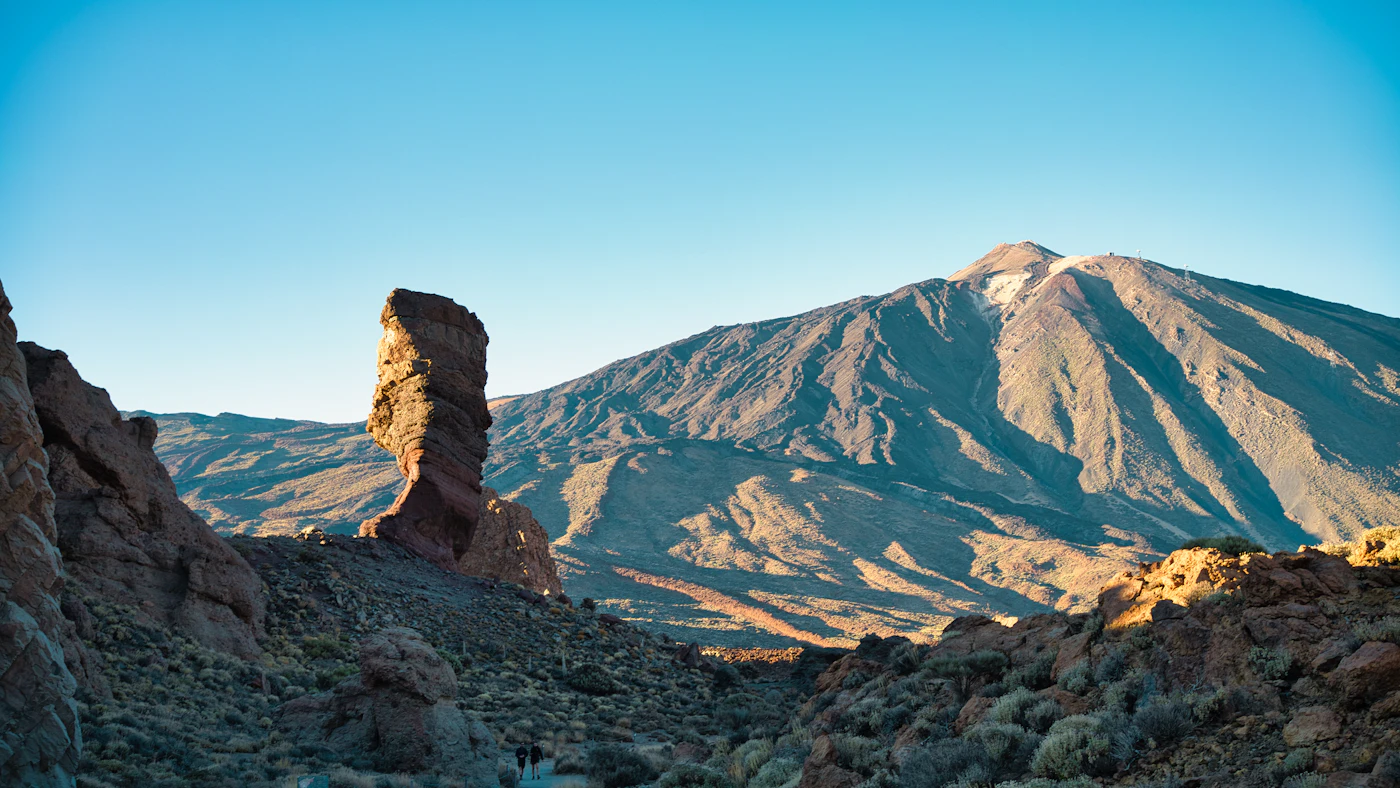
Accessing the last 200 metres to the crater requires a special, limited and highly sought-after permit. We handle the logistics and guide you along the right route based on the day's availability, so the climb is safe and hassle-free.
The experience is demanding due to altitude and cold (temperatures can drop several degrees below zero at sunrise, even in summer). We recommend:
Even without the crater permit, sunrise from Las Cañadas del Teide or the high trails is equally unforgettable. Our local guides adapt the route so the experience is always worthwhile.
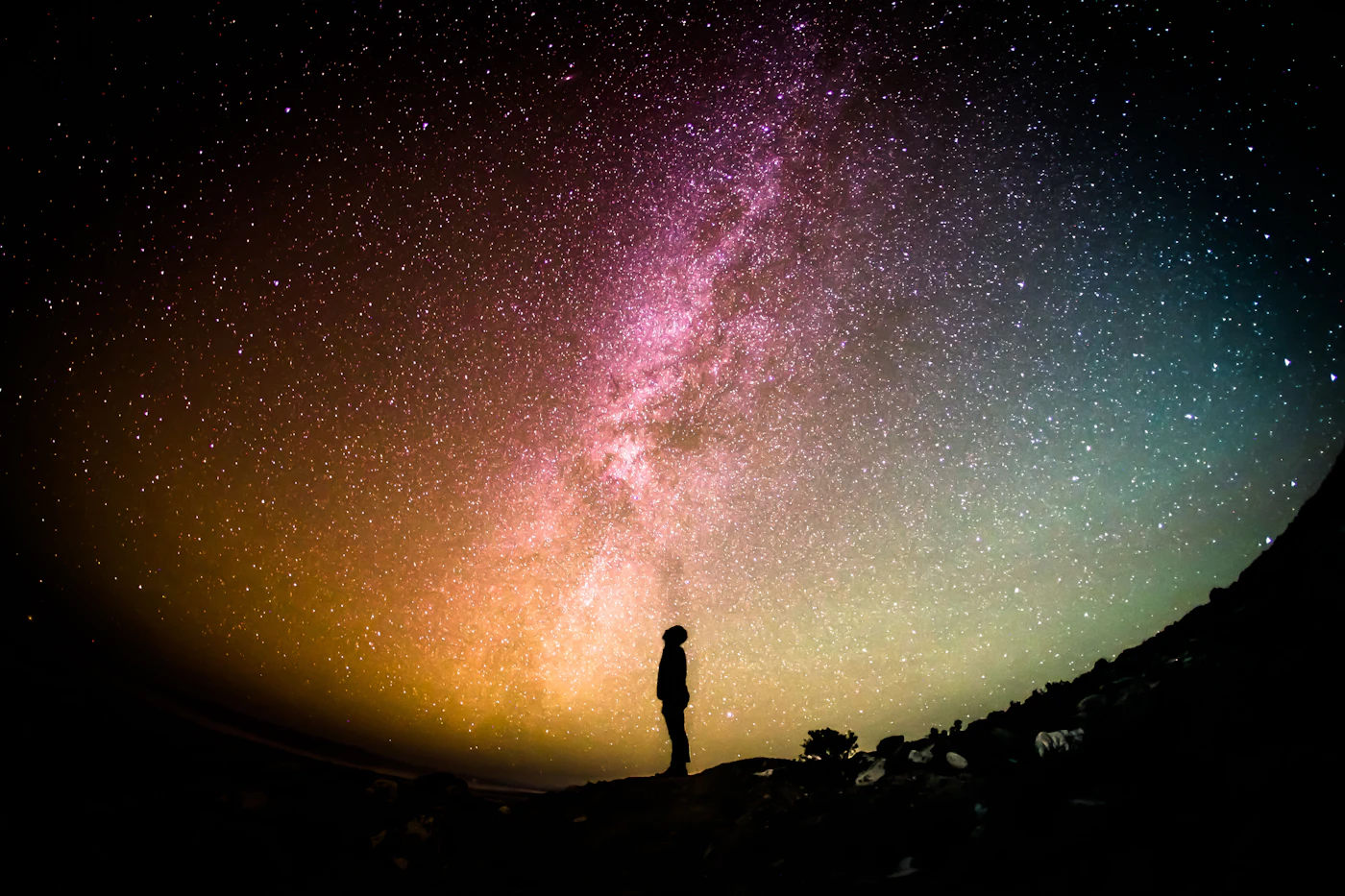
Teide National Park is also a Starlight Reserve. Combine the climb with a stargazing session and you'll see the Milky Way in detail hard to imagine from the mainland: the altitude and minimal light pollution turn the summit into a natural observatory.
> Experience Teide with a local guide. Book the [Teide Ascent](/activity/teide-hike) experience with OWA: a safe route, access management and the best spot for sunrise.
If the volcano has left you wanting more, the south coast of Tenerife has its own rhythm: ride cliffs on a [jet ski](/activity/jet-ski-tenerife) or sail a [sunset catamaran](/activity/catamaran-sunset) with dinner on board. From volcano to sea, on the same trip.
Check the wind and cloud forecast: Teide rises above the sea of clouds, so a "cloudy" day down below usually means a perfect show up top.